Garden Maintenance in Clapham
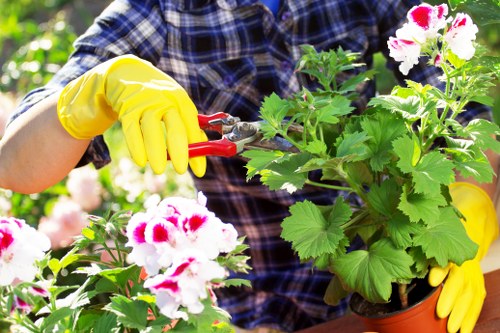
Garden maintenance in Clapham is about keeping outdoor space tidy, healthy and usable through regular care rather than occasional rescue work. Our service covers routine tasks that help beds, lawns, borders and access areas stay in good condition across the seasons. If you need a steady hand with planned upkeep, we can support the practical jobs that keep a garden looking cared for and functioning well.
We handle a range of maintenance work, from mowing and edging to hedge trimming, pruning, clearing and seasonal tidy-ups. That can suit front gardens, shared outdoor areas and private back spaces where a consistent finish matters. Our approach is straightforward: assess the work needed, agree the scope clearly and carry out the tasks in a tidy, methodical way.
Alongside regular upkeep, we can also help when a garden needs attention after a period of neglect, heavy growth or weather-related mess. Clapham gardens often need a balanced approach that respects planting while restoring order, and the aim is to leave the space neat without stripping it bare. If you are ready to plan the work, start with a simple request for a quotation.
Routine garden care and seasonal upkeep
Routine care is the foundation of a healthy garden. Grass cuts, border tidying and light pruning help prevent small tasks from building up into bigger jobs later on. Regular maintenance also makes it easier to notice areas that need extra attention, such as overgrown edges, congested planting or debris that has gathered after wet or windy weather. For many properties, a dependable routine keeps the outdoor space presentable with less disruption.
Seasonal upkeep can include clearing fallen leaves, removing spent growth, refreshing the appearance of beds and checking that paths and access points are not becoming cluttered. These jobs are especially useful when a garden needs a reset before a change in weather or before outdoor space will be used more often. If you want to keep on top of the work, book a quotation and outline the main areas that need attention.
Lawns, edges and neat finishing
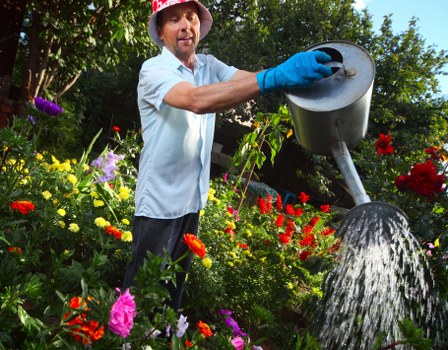
Lawns often set the tone for the whole garden, so mowing and edge definition can make a large visual difference. A clean cut, tidy perimeter and even finish help lawns look cared for rather than patchy or rushed. Where appropriate, we can include strimming around awkward corners, stepping stones and boundary lines so the result feels complete rather than partly finished.
Good lawn care is not only about appearance. Cutting at sensible intervals helps avoid excessive growth, reduces the strain of each visit and keeps the surface easier to manage. We also pay attention to what happens after the mow: clippings, borders and nearby hard surfaces are cleared down so the garden remains usable. If lawn care is the main priority, tell us the size and condition of the grass area when asking for a quotation.
Some gardens need a more detailed tidy after mowing, especially where the grass meets gravel, paving or planted edges. In those cases, accurate trimming around the margins can lift the whole space. The aim is a crisp finish that looks deliberate and well kept, not a blunt cut that leaves the surrounding areas untidy.
Hedges, shrubs and controlled growth
Hedge trimming is a key part of garden maintenance where boundaries need shaping, screening or just regular control. Trimming can improve light, reduce bulk and keep growth within sensible limits without spoiling the natural form of the plant. Different hedge types need different treatment, so the work is best approached with care rather than by using the same cut on every shrub or border line.
Shrubs and smaller woody plants often need selective pruning rather than heavy reduction. That means removing crowded, damaged or awkward growth while keeping the plant balanced and healthy. In many gardens this work also helps maintain access along paths, near entrances or around seating areas. We can discuss the most suitable level of trimming so the result supports the garden instead of fighting it.
Clearance, cut-back work and overgrown spaces
When a garden has become overgrown, maintenance may need to start with clearance and cut-back work before routine care can resume. That may involve tackling dense vegetation, removing tangled waste, opening up blocked corners or reducing growth that is spilling into paths and borders. The purpose is to restore structure so that later visits become simpler and more effective.
Clearance work can also be useful after a long gap between visits or where previous growth has hidden the shape of beds, lawns or boundary lines. A careful cut-back can reveal what needs ongoing attention and what can be left to recover naturally. Where material is removed, we aim to leave the area tidy and ready for the next stage of maintenance rather than leaving loose debris behind.
If you are unsure whether your garden needs a standard tidy or something more involved, describe the present condition and ask for a quotation. That helps define whether the work is mainly routine maintenance, heavier clearance or a blend of both. Clear information at the outset makes it easier to match the right level of work to the garden.
Keeping borders, paths and access areas tidy
Garden maintenance is not limited to the planted areas. Borders, pathways and the spaces around sheds, gates and entrances often gather leaves, clippings or stray growth that affects the look and usability of the whole site. Attention to these details can make a garden feel much more orderly even when the planting itself is relatively simple.
We can include tidying around hard landscaping and access points so the garden remains easy to move through and pleasant to use. That may mean clearing encroaching stems, neatening edge lines or removing debris that has drifted into corners. A tidy route through the garden also helps show off the planting more clearly and gives the outside space a more finished appearance.
About Clapham
Clapham is an area in south London that is often associated with Clapham Common, one of its defining open spaces and a major part of local life. The Common provides a broad stretch of parkland with long views, mature trees and paths that draw walkers, runners and people meeting friends across the seasons. The area also includes a mix of residential streets and busy local centres, with Victorian and later housing contributing to a varied streetscape. Around Clapham, architecture shifts between terraces, mansion blocks and converted buildings, reflecting the district’s long development as London expanded southward. Clapham Old Town preserves a more village-like character in places, while the wider area is shaped by transport links, independent shops and cafés that serve a dense urban community. The presence of green space beside built-up streets gives the neighbourhood a distinctive balance between city living and open ground. Community events, casual recreation and everyday use of the Common all help make it one of the better-known parts of Lambeth and Wandsworth’s nearby borderlands. Water features are limited compared with London’s riverside districts, but the landscape is still strongly defined by open lawns, tree cover and the way streets connect into the Common and surrounding residential fabric.
Working method, access and practical details

Good garden maintenance depends on clear instructions and sensible preparation before the work begins. It helps to identify the main areas that matter most, such as lawns, hedges, borders, access routes or any section that needs extra care. If there are particular limitations, such as narrow side access, shared entrances or fragile planting, mentioning them early can help the work be planned properly and carried out in the right order.
Photographs can be useful when a garden has uneven growth, hidden corners or mixed tasks that are hard to describe briefly. They also help show the scale of the space and the type of finish you want, whether that is a light tidy or a fuller maintenance visit. If you are gathering several jobs into one request, list them together so the quotation can reflect the full scope rather than only the most visible part.
For best results, keep the request focused on the actual tasks you want completed. A simple note about the condition of the garden, the size of the main areas and any access concerns is usually enough to start. That makes it easier to price the work fairly and ensures the maintenance plan is based on what the space genuinely needs.
Maintenance choices for different garden types
Some gardens benefit from light, regular upkeep, while others need more hands-on restoration before routine maintenance can take over. A compact front garden may only need mowing, edging and occasional pruning, whereas a larger back garden may call for broader tidy-up work across multiple areas. The right approach depends on how the space is used, how quickly it grows and how much detail the finish should have.
Maintenance can also be shaped by the character of the planting. Mixed borders, shrubs, hedges and lawn areas all respond differently, so it helps to treat each part of the garden on its own terms. A sensible plan will leave healthy growth intact where possible and reduce the parts that are causing congestion, clutter or poor access. If you want a more tailored service, ask for a quotation that reflects the specific layout of the garden.
What our garden maintenance can include
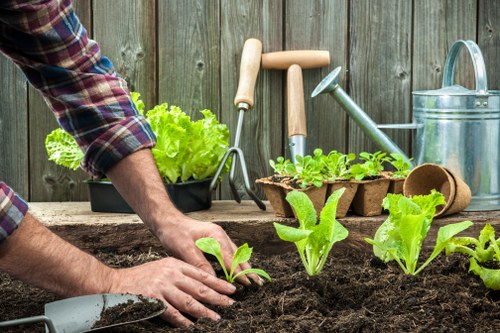
Our garden maintenance service can cover a practical mix of recurring and occasional tasks, depending on what the garden needs at the time. Typical work may include mowing, edging, hedge trimming, pruning, weed reduction, cut-back work, leaf clearance and the general tidying that keeps outdoor space presentable. We can also combine tasks so one visit addresses several areas rather than leaving small jobs unfinished.
Useful maintenance choices often include:
- Grass cutting and edge tidying
- Hedge trimming and shrub reduction
- Border clearing and general tidy work
- Seasonal leaf and debris removal
- Overgrowth cut-back and access clearance
If you need regular upkeep or a one-off reset, the next step is simple: request a quotation and describe the main work you want done. We will use that information to shape the maintenance scope and keep the process clear from the start.