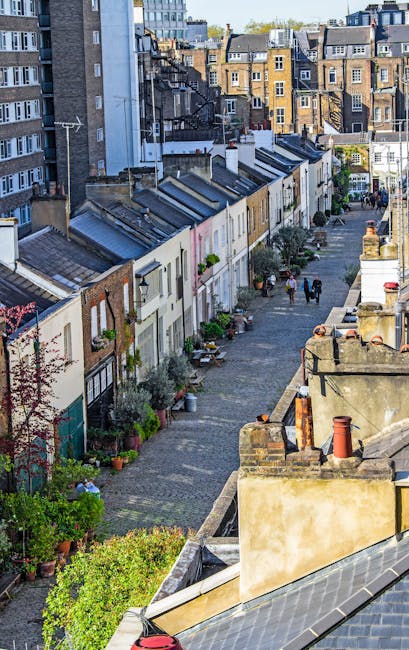
Best gardening services near Clapham Old Town and market
If you live near Clapham Old Town and the market, you already know the charm of the area comes with a very real gardening challenge: compact spaces, busy streets, changing light, and gardens that need to look good without demanding every spare weekend. The Best gardening services near Clapham Old Town and market are the ones that understand that balance. They keep things tidy, healthy, and workable, whether you have a small courtyard, a shaded terrace, a family garden that gets a lot of use, or an overgrown patch that needs proper attention.
In practical terms, a good local gardening service should do more than cut grass and remove clippings. It should help you keep on top of seasonal growth, reduce problems before they become expensive, and make your outdoor space feel like part of the home rather than another chore. This guide walks through what to look for, how the service works, where the value really is, and how to choose well without second-guessing yourself later.
For a broader view of what professional garden care can include, you may also want to explore the services overview and the company's approach on the about us page.
Table of Contents
- Why this matters near Clapham Old Town and market
- How local gardening services work
- Key benefits and practical advantages
- Who this is for and when it makes sense
- Step-by-step guidance
- Expert tips for better results
- Common mistakes to avoid
- Tools, resources and recommendations
- Law, compliance, standards and best practice
- Options, methods and comparison table
- Case study or real-world example
- Practical checklist
- Conclusion
- Frequently asked questions
Why Best gardening services near Clapham Old Town and market Matters
Gardens near Clapham Old Town often have a lot going on in a relatively small footprint. You may be dealing with privacy issues from neighbouring homes, mature shrubs that have outgrown their shape, patchy lawns, or borders that look fine in April and a bit wild by July. Let's face it, London gardens can turn from neat to neglected quite quickly. A good gardening service keeps that drift under control.
It matters for more than appearance. Regular maintenance helps keep plants healthy, improves safety on paths and steps, prevents pruning jobs becoming heavy cuts later, and makes the whole space easier to use. If you have children, pets, or simply like sitting outside with a cup of tea when the weather behaves, tidy and well-managed planting can genuinely change how you use the garden.
There is also a practical local angle. In built-up areas, green waste, access, noise, and timing all matter. A reliable local team understands how to work around parking, narrow side access, and the simple reality that your neighbours probably do not want a loud, all-day disruption. That local awareness is not a luxury. It's part of the service.
For recurring upkeep, many homeowners choose garden maintenance services rather than waiting for everything to spiral into one massive tidy-up. That usually works out calmer, cheaper over time, and far less stressful.
How Best gardening services near Clapham Old Town and market Works
At a practical level, most professional gardening services begin with a walk-through or an initial conversation about what needs attention. The aim is to understand the garden's condition, the style you want, and any priority issues such as overgrowth, poor lawn condition, blocked access, or seasonal plants that need careful handling.
A sensible service usually follows a simple pattern:
- Assessment. The gardener reviews the space, identifies the main jobs, and spots anything that needs extra caution.
- Plan and timing. You agree what needs doing now, what can wait, and whether the work is one-off or recurring.
- Task delivery. The team completes the agreed work, often including cutting, shaping, clearing, weeding, edging, and disposal.
- Finish and tidy-up. Waste is removed, surfaces are left clean, and the garden should feel usable straight away.
Depending on the garden, the work might include lawn mowing, hedge trimming, planting care, seasonal clearance, or more detailed structure work. For gardens with heavy overgrowth or a lot of unwanted material, garden clearance is often the right starting point before anything else can happen properly.
Some projects need more than maintenance. If your outdoor space needs a reset, a change of layout, or new planting areas, services such as landscape gardening or broader landscaping may be more suitable. That is where experience matters, because a tidy garden and a well-designed garden are not the same thing.
Key Benefits and Practical Advantages
The strongest benefits are straightforward, but they add up quickly. A properly maintained garden feels better to live with, saves time, and tends to avoid those slightly embarrassing moments where the front or back garden suddenly looks like it has been ignored for a season. We have all seen that house on the street, and no one wants to be that house.
- Consistent presentation: Borders, lawns, hedges, and paths stay under control.
- Better plant health: Regular pruning and upkeep reduce stress on plants and encourage healthy growth.
- Time saved: Your weekends stay yours, which is the whole point really.
- Reduced risk: Overgrown paths, hidden debris, and unstable branches are easier to manage early.
- More usable outdoor space: A garden you can actually sit in is a different kind of asset.
- Clearer planning: A professional can spot what should be cut, shaped, removed, or left alone.
Another often overlooked benefit is continuity. If one person or one team maintains the garden regularly, they get to know its habits: where the damp patches appear after rain, which hedge grows too fast, which plants sulk in shade, and where the lawn thins every summer. That local memory is useful. Very useful.
Expert summary: The best gardening service is not just the one that "does the job." It is the one that understands your space, keeps it predictable, and helps you avoid big, costly interventions later on.
Who This Is For and When It Makes Sense
This kind of service is a good fit for a wide range of people. If you are busy, travel often, manage a rental property, or simply do not enjoy garden work, professional support makes obvious sense. But it is also valuable for people who enjoy gardening and just want help with the heavy or repetitive bits.
It can be especially useful if:
- your garden has become overgrown after a few months of neglect
- your hedges are getting too tall or too wide for comfortable DIY trimming
- the lawn needs regular attention to stop it looking tired
- you want to prepare the garden for entertaining, sale, or a family event
- you have moved into a property and inherited someone else's planting decisions, which can be a mixed blessing
- you want a clean, low-fuss outdoor space without committing to a major redesign
It also makes sense when you can see the job starting to outgrow your tools. A home strimmer is fine until it isn't. Then you are ten minutes in, the cord is tangled, the hedge trimmings are everywhere, and you start wondering whether this was a good idea at all. That is often the point where a professional service saves both time and frustration.
Step-by-Step Guidance
If you are comparing providers or planning your first booking, a structured approach helps. Keep it simple.
- Walk the garden yourself first. Note what bothers you most: weeds, hedge height, poor drainage, clutter, dead growth, messy edges, or a lawn that is never quite right.
- Separate urgent from cosmetic work. Safety and access issues should usually come first, then appearance, then longer-term improvement.
- Ask what is included. A clear service should explain whether waste removal, pruning, edging, and disposal are part of the quote.
- Check whether the work is one-off or ongoing. If the garden needs regular attention, recurring maintenance is usually more efficient than repeated emergency tidy-ups.
- Ask about tools and access. Narrow side passages, locked gates, and heavy garden waste all affect how the job is handled.
- Agree the finish standard. Be specific about what "tidy" means to you. Some people want a clean reset, others want a light refresh only.
- Review the result within a day or two. Walk the space in daylight if you can. Small things show up better then.
If the work includes more than surface tidying, look carefully at whether the provider also offers structural improvements such as decking services or planting-led garden improvement. Sometimes the difference between a good result and a great one is whether the team understands the whole space, not just the visible weeds.
Expert Tips for Better Results
Good gardening work is often about restraint and timing. Trim too hard and a hedge can look sparse for months. Leave a lawn too long between cuts and it gets stressed, patchy, and awkward to recover. The best results usually come from small, regular decisions rather than dramatic fixes.
Here are a few practical pointers that tend to make a real difference:
- Book seasonal maintenance before the garden looks tired. It is easier to keep a garden good-looking than to rescue one after the fact.
- Match the service to the problem. If the issue is structure, don't start with a lawn cut. If the issue is access, clearance may be the first job.
- Protect the plants you actually value. A quick tidy should not mean accidental removal of climbers, herbs, or young shrubs that are still establishing.
- Think about water and shade. Clapham gardens often have awkward light levels, and what works in one corner may struggle in another.
- Keep a simple maintenance rhythm. A little and often approach usually beats heroic weekend marathons.
One thing many people miss: the garden should suit how you live. If you never use a high-maintenance border, simplify it. If you host often, create a clear, usable seating area. If you just want privacy, shape the planting around that first. That is where experienced gardening advice pays off, because the best garden is not just neat; it is usable.
Common Mistakes to Avoid
Some mistakes keep showing up, and they are all avoidable with a bit of planning.
- Choosing only on price. Cheapest is rarely best if the result is rushed or the quote is unclear.
- Ignoring waste removal. Clippings, branches, and soil can become a nuisance fast if disposal is not agreed in advance.
- Over-pruning in the wrong season. Not every plant likes a hard cut whenever it suits the calendar.
- Assuming all gardeners do the same thing. Maintenance, clearance, landscaping, and design are different services.
- Waiting until the garden is difficult to access. Once a space is heavily overgrown, the job tends to take longer and cost more.
- Not checking insurance and safety practices. Especially for anything involving height, tools, or significant waste, this matters.
A quiet but important point: if a provider cannot explain why a certain cut or clearance is being done, that is a warning sign. Good gardeners do not need to sound grand. They do need to sound clear.
Tools, Resources and Recommendations
You do not need a warehouse of equipment to understand whether a gardening service is doing well, but it helps to know what the work usually involves. For most everyday maintenance, useful tools include pruning shears, loppers, a mower suited to the lawn size, edging tools, leaf rakes, and proper waste bags or transport bins for clippings. For larger jobs, more robust cutting and clearance tools may be needed.
If you are comparing services, this is where it helps to think beyond the visible result. Ask yourself whether the team has the right kit for the site, the right process for waste handling, and the right level of attention for the type of garden. A neat finish is good. A neat finish with sensible waste disposal, safe practice, and a clear quote is better.
Useful pages to review before making a decision include pricing and quotes, insurance and safety, and recycling and sustainability. Those pages help you understand not just what a provider does, but how they think about service quality and responsibility.
For ongoing work, it may also help to read the health and safety policy so you know what standard of care is being followed on site. That sounds formal, but in practice it simply gives you a better sense of professionalism.
Law, Compliance, Standards, or Best Practice
Garden work in the UK is often straightforward, but there are still sensible standards worth respecting. If tree work is involved, especially anything substantial, it should be handled carefully by people who understand safe cutting, access, and the risk of damaging structures or neighbouring property. There may also be local considerations around protected trees, boundaries, and overhanging branches, so it is wise to avoid making assumptions.
For general best practice, a reputable gardening service should:
- work safely and use the right protective equipment where needed
- keep pathways and work areas reasonably clear during the job
- dispose of green waste responsibly
- avoid unnecessary damage to plants, walls, fencing, and surfaces
- be clear about what is included before the work starts
If you are asking for clearance or removal work, read the terms carefully and make sure you understand any limitations. The terms and conditions can be helpful here, especially for managing expectations around access, timing, and scope. For service quality, it is also worth understanding how complaints are handled, which is usually a good sign of whether a company takes accountability seriously. The complaints procedure page does that job well.
One more practical note: if a team talks casually about "just taking a bit more off" without checking first, that is not always reassuring. Precision matters in gardens. Ask questions. It is your space after all.
Options, Methods and Comparison Table
Not every garden needs the same kind of help. The right choice depends on the condition of the space, how often you want it maintained, and whether your aim is tidy, functional, or redesigned.
| Option | Best for | What it usually includes | Typical advantage |
|---|---|---|---|
| Routine garden maintenance | Homes that need regular upkeep | Mowing, trimming, weeding, tidying, seasonal care | Keeps the garden consistently neat |
| One-off garden clearance | Overgrown or neglected spaces | Brambles, debris removal, major cut-back, waste disposal | Fast reset and better access |
| Landscape gardening | Gardens needing improvement or redesign | Layout changes, planting structure, surface updates | Improves function and appearance together |
| General landscaping | Outdoor spaces needing both structure and finish | Harder landscaping elements and soft planting work | Useful when the garden needs a fuller transformation |
If you are unsure which path to take, ask a simple question: do I need keeping on top of, clearing back, or improving? That single question usually separates the options pretty neatly.
Case Study or Real-World Example
Imagine a typical Clapham garden behind a Victorian terrace. It has a narrow side access, a lawn that gets less sun than expected, a hedge that has crept higher each month, and borders where weeds have quietly taken over in the background. Nothing dramatic. Just enough to make the space feel smaller and less welcoming every time the back door opens.
In a case like that, the best approach is usually not to start with planting ideas. First, the garden needs shape and breathing room. A practical service might begin with clearance in the worst sections, then move to hedge trimming, lawn care, and a simple tidy of borders. Once the base is under control, it becomes much easier to decide whether the garden needs ongoing maintenance or a more considered redesign.
What changes most in situations like this is not only appearance. The owner suddenly uses the space again. A chair comes out. The children can kick a ball around without tripping. Morning coffee outdoors stops feeling aspirational and starts happening. Small thing, maybe. But it matters.
That is often the difference between a garden you "have" and a garden you actually enjoy.
Practical Checklist
Before you book, work through this simple checklist. It saves time and stops annoying surprises later.
- Is the job maintenance, clearance, landscaping, or a mix?
- Do I know which areas matter most?
- Have I checked whether waste removal is included?
- Do I need a one-off visit or recurring visits?
- Is access straightforward, or do I need to mention side gates, parking, or stairs?
- Are there any fragile plants, ornaments, or surfaces to protect?
- Do I understand the expected finish standard?
- Have I reviewed pricing, safety, and service terms?
- Is the provider transparent about how to raise concerns if something goes wrong?
- Will the garden be easier to maintain after the work is completed?
If you can answer yes to most of these, you are in a good position. If not, pause and clarify. A little preparation now saves a lot of back-and-forth later, honestly.
Conclusion
The Best gardening services near Clapham Old Town and market are the ones that bring together practical skill, reliable upkeep, and a decent understanding of local gardens that need to do a lot in not very much space. Whether you need a tidy-up, recurring maintenance, hedge work, lawn care, clearance, or a more ambitious improvement, the right service should leave you with a garden that feels calmer, cleaner, and easier to live with.
Look for clear communication, sensible scope, safe working habits, and a finish that matches how you actually use the space. That is the real measure. Not fancy language, not vague promises, just visible care and a garden that works better when the job is done.
Get a free quote today and see how much you can save.
If you want to continue exploring service options, the most useful next stop is usually the services overview and then the specific service pages that fit your garden's current state. If you prefer to talk through the details, you can also review the contact us page. Either way, the first proper step is simple: get the garden assessed, then build from there. One good decision, and the rest gets easier.
Frequently Asked Questions
What counts as the best gardening service near Clapham Old Town and market?
The best service is the one that understands your garden's condition, explains the work clearly, and delivers a tidy, practical result without creating extra hassle. In a local area like Clapham Old Town, that usually means good access handling, sensible timing, and a finish that suits real-life use, not just photographs.
Should I choose garden maintenance or garden clearance?
If the garden is generally healthy but needs regular upkeep, garden maintenance is the better choice. If it has become overgrown, cluttered, or difficult to access, garden clearance is usually the right starting point. Many gardens need a bit of both at different times, to be fair.
How often should a garden near Clapham be maintained?
That depends on the size of the garden, the planting, and how quickly things grow. Some spaces benefit from weekly or fortnightly attention in peak season, while others only need monthly or seasonal care. Lawns, hedges, and fast-growing borders usually need the most regular attention.
What should be included in a garden maintenance visit?
A maintenance visit often includes mowing, trimming, weeding, edging, pruning light growth, and general tidying. Depending on the garden, it may also include deadheading, leaf collection, and removal of small amounts of green waste. A good provider will tell you exactly what is included before starting.
How do I know if a gardening quote is fair?
A fair quote should be clear about labour, waste removal, access difficulties, and the level of work needed. If one quote is much lower than the others, ask what has been left out. The cheapest option can end up being the most expensive if it misses important parts of the job.
Can a gardener help with hedges and overgrown shrubs?
Yes. Hedges and shrubs are a big part of most local garden jobs. If your hedge has become too tall or wide, hedge trimming is usually the service to ask about. It helps restore shape, improve light, and stop the garden feeling closed in.
What if my garden needs more than maintenance?
If the space needs a layout change, new planting areas, new surfaces, or a more substantial upgrade, then landscaping or landscape gardening may be more suitable. Those services go beyond routine upkeep and focus more on structure, flow, and long-term improvement.
Do I need to prepare my garden before the team arrives?
A little preparation helps. Move small items, unlock gates, mention fragile plants, and make sure access is clear. You do not need to deep-clean the garden yourself. Just make the site easy to enter and easy to understand.
How important is insurance and safety for gardening work?
Very important, especially for jobs involving height, sharp tools, heavy waste, or tight access. A professional service should work carefully and be able to explain its safety approach. The insurance and safety information is worth checking before you book.
Can gardening services help improve privacy in a city garden?
Yes, often quite effectively. Strategic hedge trimming, planting structure, and thoughtful landscaping can make a garden feel more private without making it dark or boxed in. That is one of the nicest wins in London gardens, actually.
What happens to the waste after a gardening job?
That depends on the provider and the scope of work, but waste should be handled responsibly and removed as agreed. If sustainability matters to you, look at the recycling and sustainability approach before confirming the job.
Who should I contact if I have a concern after the work is finished?
Check the provider's complaints process and contact details so you know how issues are handled. A clear process is a good sign that the company values accountability. If you need a starting point, the complaints procedure page should explain the next steps plainly.