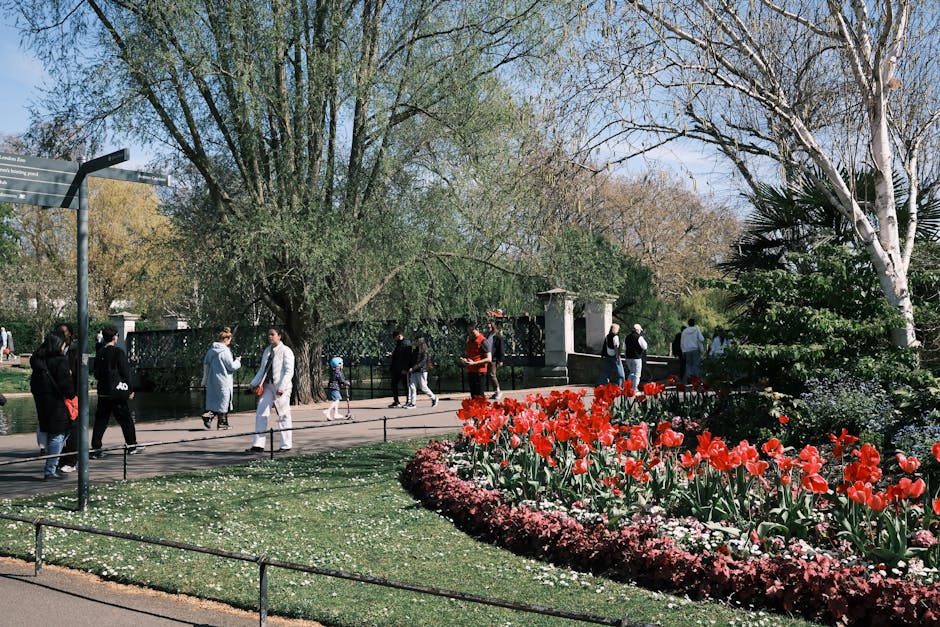
Clapham Common garden care guide for busy homeowners
If you live near Clapham Common and your days are already packed, garden care can slip from "must do" to "I'll sort it next weekend" very quickly. Then next weekend turns into next month, and suddenly the lawn is shaggy, the hedge looks overconfident, and the beds have started doing their own thing. This Clapham Common garden care guide for busy homeowners is here to make the whole job feel manageable again. It focuses on realistic routines, sensible priorities, and the kind of maintenance decisions that save time without letting the garden get away from you.
There's no need for a perfect show garden. Truth be told, most busy homeowners just want a tidy, healthy outdoor space that looks good from the kitchen window, works for family life, and doesn't become a second job. That means knowing what to do weekly, what can wait, and when it makes sense to bring in help for the heavier bits.
In the sections below, you'll find a practical local approach to lawn care, hedge trimming, seasonal tidy-ups, and low-effort maintenance habits that actually stick. There's also a simple checklist, a comparison table, and a few useful clues on when professional support may be the smarter option.
Why Clapham Common garden care guide for busy homeowners Matters
Gardens around Clapham Common are often exposed to a fair bit of pressure. You get the usual London mix: limited time, variable shade, patchy soil in some spots, compact outdoor areas, and neighbours close enough to notice when the hedge gets a little wild. That makes a simple, structured care routine more valuable than a big one-off overhaul.
For busy homeowners, garden maintenance is not really about perfection. It's about control. A small amount of regular attention can stop problems becoming expensive or time-consuming later. For example, keeping grass at a sensible height reduces stress on the lawn and avoids that awful "where did the weekend go?" feeling after a big catch-up mow. Small wins matter.
It also matters because an untended garden can become harder to use. Paths disappear under growth, decking gets slippery, beds become crowded, and hedges start blocking light. If you have children, pets, or you simply like sitting out with a coffee on a decent morning, the difference between "managed" and "left alone" is obvious within a few weeks.
In practice, good garden care near Clapham Common should do three things: protect plant health, keep the space safe and usable, and reduce the amount of time you need to spend on maintenance each month. That's the whole game, really.
Expert summary: The best garden care system for a busy household is not the most ambitious one. It is the one you can repeat, season after season, without dreading it.
How Clapham Common garden care guide for busy homeowners Works
A reliable routine starts with triage. Instead of trying to do everything at once, separate the garden into three categories: what needs weekly attention, what needs monthly attention, and what needs seasonal work. That keeps the job clear and stops you spending an entire Sunday on details that could have waited.
Weekly jobs usually include lawn mowing in the growing season, quick tidying, deadheading where needed, and checking for anything that is becoming unsafe or untidy fast. Monthly jobs might include edging, light weeding, feeding pots, pruning a few loose stems, and checking gutters or drains if nearby foliage is shedding into them. Seasonal work is where the bigger tasks sit: hedge reduction, clearance, replanting, tree work, or more substantial garden refreshes.
The main idea is simple. You are not maintaining the whole garden all the time. You are preventing it from drifting into a state that demands a huge reset. That is what makes the system workable for people with long commutes, school runs, hybrid work schedules, or just a full diary and not enough patience for endless upkeep.
If a garden is already beyond that light-maintenance stage, a one-off tidy-up or a planned garden clearance can bring it back under control before a smaller routine takes over again. Once it is reset, ongoing care becomes much easier to keep on top of.
Key Benefits and Practical Advantages
The benefits of a sensible, localised garden care approach are broader than just "it looks nicer". Yes, appearance matters. Nobody wants to stare at a patchy lawn from the back door. But the real advantages are practical.
- Less weekend workload: Smaller, regular tasks are far easier to fit in than big, stressful clear-ups.
- Better plant health: Regular mowing, pruning, and feeding help plants stay balanced rather than stressed.
- Safer outdoor areas: Clear paths, trimmed growth, and tidy edges reduce trip and slip risks.
- Improved light and space: Managed hedges and trees let more light reach patios, lawns, and indoor rooms.
- Better first impression: A neat front or rear garden makes the whole property feel cared for.
- Lower long-term costs: Preventive upkeep often avoids bigger repairs or major restorative work later.
There is also a mental benefit people often overlook. A garden that feels under control tends to be enjoyed more. You actually use it. You sit outside. You stop apologising for it when friends visit. Mildly underrated, that.
For homeowners who value convenience, the best outcome is a garden that looks intentional without demanding constant attention. That is where services such as regular garden maintenance can make a real difference, especially when the aim is consistency rather than one-off dramatic change.
Who This Is For and When It Makes Sense
This guide is especially useful if you are one of the following: a busy professional, a parent juggling schedules, a landlord wanting a presentable outdoor space, or a homeowner who simply does not enjoy spending half the weekend with shears in hand. No judgement. Plenty of people feel that way.
It also makes sense if your garden is functional but not getting the care it needs. Maybe the lawn is fine in April and then starts fading into chaos by June. Maybe the hedge only seems to grow after you have booked time off. Maybe you've got a lovely patio but weeds keep appearing between the slabs and the whole thing looks tired.
If you're trying to decide whether to manage things yourself or ask for help, the tipping point is usually time, not skill. Many people know what should be done. They just don't have a reliable slot to do it. That is a perfectly normal reason to outsource parts of the job.
This guide is also a good fit for anyone with a mixed garden: a bit of lawn, a few beds, some boundary planting, maybe a decked seating area. Those gardens are common around London, and they benefit from a balanced plan rather than a single treatment. If your outdoor area includes timber features, it may also be worth exploring decking services alongside routine upkeep so the whole space stays coherent and easy to use.
Step-by-Step Guidance
Here is a straightforward way to keep a Clapham Common garden presentable without making it your new hobby.
1. Start with a quick visual check
Walk the garden for two minutes and look for the obvious stuff: overgrown edges, fallen branches, weeds, muddy patches, blocked drains, broken pots, or anything that might be getting in the way. Don't overthink it. The goal is to spot what will cause the most annoyance if ignored.
2. Tackle the highest-impact job first
Usually this is the lawn, hedge line, or main visible planting area. If the grass is long, a tidy cut will change the feel of the whole garden immediately. If the hedge is dragging down the appearance of the boundary, trimming it can have a surprisingly big visual payoff. A few smart cuts often beat hours of fussing over smaller details.
For boundary growth or taller hedges, a service such as hedge trimming can save time and give a much cleaner finish than a rushed DIY effort after work.
3. Reset the lawn
Lawn care is one of the most time-sensitive parts of the routine. During the growing season, mowing at the right interval keeps the garden looking cared for and helps the grass stay healthier. Cutting too much off at once can stress the lawn, so little and often is usually better than a dramatic chop. Let's face it, the "one giant mow after three weeks away" method is rarely elegant.
If you prefer to outsource that part, lawn mowing support can keep the grass at a consistent level and prevent the kind of overgrowth that makes everything else look neglected.
4. Clear the edges and pathways
Neatening the edges where grass meets border, path, or patio makes a huge difference. So does removing leaves, twigs, and stray debris from high-traffic areas. It is one of those jobs that looks tiny on paper and surprisingly impactful in real life. A clean edge makes the whole garden read as "looked after".
5. Deal with weeds before they settle in
Weeds are much easier to remove when they are small. That's not new advice, but people keep rediscovering it the hard way. A quick pull or hoeing session every couple of weeks can stop the more stubborn ones from setting up shop in beds, paving joints, and borders.
6. Prune lightly rather than heavily and randomly
For busy homeowners, the safest rule is to prune only what is visibly out of line, crossing, dead, or crowding other growth unless the plant specifically needs more detailed treatment. With shrubs and hedges, a light regular trim is usually easier to manage than a massive rescue prune later.
7. Finish with a reset tidy-up
Gather waste, stack tools away, and remove anything that will make the garden feel unfinished. That last 10 per cent matters more than people think. A garden can be technically cut and still feel messy if the cuttings are left everywhere. A neat finish changes everything.
Expert Tips for Better Results
The best gardening advice is often the boring kind. Not glamorous, but it works.
- Keep a fixed monthly rhythm. Pick the same weekend or weekday each month for a 20-minute check. It is much easier than waiting for "sometime soon".
- Use the weather window. In London, a dry late-afternoon spell can be the difference between a quick tidy and a muddy nuisance.
- Do less, more often. Small sessions are easier to complete and usually produce better results than occasional marathons.
- Store tools where they are easy to grab. If you have to dig around the shed for ten minutes, the job becomes a whole mood.
- Choose low-maintenance planting. When replanting, favour hardy shrubs and mixed borders that suit your light levels and time available.
- Mulch where possible. A fresh layer of mulch helps hold moisture and suppress weeds, which is especially useful if you are not in the garden every day.
A small but useful habit: keep a notepad or phone note titled "garden bits". Every time you notice something that needs attention, jot it down. Then deal with the lot in one go. It sounds almost too simple, but it prevents the annoying pattern of forgetting the same problem three weekends in a row.
If your garden is starting to need more than basic upkeep, it may be worth looking at broader landscape gardening or landscaping changes to reduce future maintenance needs. A smarter layout can save time every single month.
Common Mistakes to Avoid
Busy homeowners often make the same few mistakes, and they are very human ones.
- Waiting too long between visits: The longer you leave it, the harder the catch-up becomes.
- Cutting the lawn too short: It may look neat for a day, but it can weaken the grass and leave it thirsty.
- Ignoring hedge growth until it blocks light: Once a hedge becomes a problem, the job is bigger, slower, and more expensive to tackle.
- Trying to do every job in one session: This is a fast route to frustration and sore shoulders.
- Leaving clearance waste to pile up: A tidy garden with a heap of clippings in one corner still feels unfinished.
- Overplanting for the sake of looks: Dense planting can look beautiful, but it often means more pruning and weeding later.
Another mistake is assuming every task should be DIY. Some jobs are fine on a free Saturday morning. Others are simply better handled by people with the right equipment and experience. There is no prize for wrestling a hedge into shape with blunt tools and bad lighting. None at all.
Tools, Resources and Recommendations
You do not need a shed full of specialist gear to keep a busy-home garden in shape. A modest, reliable kit is usually enough.
| Task | Useful tool or support | Why it helps |
|---|---|---|
| General tidy-up | Rake, gloves, sturdy bags | Makes quick clear-downs faster and cleaner |
| Lawn care | Mower, edging tool | Keeps grass at a neat and manageable height |
| Hedges and shrubs | Hand shears or professional trimming | Controls shape and reduces visual clutter |
| Weed control | Hoe, hand fork, mulch | Stops small problems from becoming recurring ones |
| Seasonal reset | Green waste sacks, clearance support | Helps remove bulk without leaving piles behind |
For larger jobs, a sensible plan beats a pile of good intentions. If the garden needs a major clear-out, garden clearance can be the practical starting point. If you are comparing ongoing service levels, the services overview is a useful place to understand the difference between maintenance, clearance, trimming, and bigger garden transformations.
If your budget is a key factor, it can also help to check pricing and quotes early on. That way you can decide what to keep in-house and what to hand over. A little planning now can save a lot of second-guessing later.
Law, Compliance, Standards, or Best Practice
Garden care in a residential setting is usually straightforward, but there are still a few best-practice points worth respecting. If trees are large, close to boundaries, or showing signs of instability, it is sensible to treat them carefully and avoid guesswork. Heavy pruning or removal work can create safety issues if handled badly, so for anything substantial it is better to ask for experienced help rather than improvise.
It is also good practice to avoid creating nuisance for neighbours. That means managing hedge growth responsibly, keeping overhanging branches under review, and dealing with waste in a tidy way. In a dense area like Clapham Common, small oversights can have a bigger social impact than they would in a more rural setting. You know how it is - space is tight, and everyone notices a bit more.
For larger trees, awkward access, or branches near structures, a cautious approach is best. Services such as tree lopping and removal should only be considered with proper safety awareness and a clear understanding of what needs to be done. When in doubt, the safe option is the smart one.
If you are hiring help, look for clear communication, sensible scheduling, and evidence that the work will be carried out safely. Pages such as insurance and safety and health and safety policy can help set expectations before any work begins. It is not about being overly formal; it is about avoiding preventable problems.
Options, Methods, or Comparison Table
Busy homeowners usually have three realistic options: do everything yourself, split the work between DIY and occasional help, or hand over most maintenance to a professional service. The right choice depends on time, garden size, and how much of the work you actually enjoy.
| Approach | Best for | Pros | Trade-offs |
|---|---|---|---|
| Full DIY | Small gardens and confident gardeners | Lowest direct cost, full control | Time-heavy, easy to fall behind |
| Hybrid approach | Busy homeowners who can handle light upkeep | Good balance of cost and convenience | Still needs personal time and planning |
| Professional maintenance | People with limited time or larger gardens | Consistent results, less stress, better for repeat care | Ongoing spend, less hands-on control |
For many households around Clapham Common, the hybrid model is the sweet spot. You handle the small, satisfying bits when you can, and bring in support for the heavier, less pleasant tasks. That might mean regular mowing with occasional hedge work, or a seasonal visit to reset the whole space before returning to lighter upkeep.
If you want a more predictable routine, the easiest route is usually to combine maintenance with occasional specialist support rather than waiting until everything needs rescuing at once. That is where a planned, measured approach really pays off.
Case Study or Real-World Example
Here is a realistic example. A homeowner near Clapham Common had a medium-sized rear garden with a lawn, a narrow side return, and mixed borders. Work and family commitments meant the space was only getting attention once every few weeks. By the time they looked at it properly, the grass had become uneven, weeds had taken hold in the edging, and the hedge had started to shade part of the patio.
Instead of trying to tackle it all in one exhausting go, the garden was reset in stages. The first visit focused on clearance and the most visible areas. The second stage dealt with mowing, hedge trimming, and tidying the borders. After that, the homeowner switched to a simple routine: short weekly checks, a monthly tidy-up, and a seasonal cut-back where needed.
The biggest change was not dramatic design. It was consistency. The garden stopped feeling like a burden and started feeling usable again. The owner could water plants in ten minutes, sit out with a cup of tea, and keep ahead of growth without blocking out half a Saturday. That, more than anything, is the point of a good care guide.
Sometimes the best garden improvement is just getting back to manageable. Not glamorous, but effective.
Practical Checklist
Use this as a quick reset list whenever the garden starts to drift.
- Check the lawn and mow if growth has picked up.
- Trim visible hedge edges and any obvious overhang.
- Remove fallen leaves, twigs, and debris from paths and patios.
- Pull or hoe small weeds before they spread.
- Deadhead or lightly tidy any tired-looking planting.
- Inspect for broken pots, loose edging, or slippery surfaces.
- Clear cuttings and waste so the space feels finished.
- Review whether any job has become too big for a quick DIY fix.
- Book seasonal support if the garden needs a more thorough reset.
Quick practical reminder: if a task keeps getting postponed three times in a row, it is probably not a "quick job" anymore. Treat it accordingly.
Conclusion
A Clapham Common garden does not need constant fuss to stay attractive. What it does need is a rhythm that fits real life. For busy homeowners, the smartest approach is to focus on small, repeatable actions that protect the lawn, control hedges, keep borders tidy, and stop the whole space from drifting into overwhelm.
Once you move away from the idea of a perfect garden and into the idea of a manageable one, the pressure drops. The work becomes easier to plan, easier to budget, and honestly, a lot less irritating. That's the win.
If your outdoor space is already overdue a reset, or you simply want a better maintenance rhythm without the hassle, you may find it helpful to explore the relevant service pages and see what level of support fits your home and schedule. A tidy garden is easier to enjoy, easier to maintain, and much kinder to your future weekends.
Get a free quote today and see how much you can save.
Frequently Asked Questions
How often should a busy homeowner maintain a garden near Clapham Common?
For most gardens, a short weekly check plus a more focused monthly tidy-up is enough to keep things under control. During the growing season, lawns and hedges may need more frequent attention. The exact rhythm depends on garden size, planting density, and how much shade or sun the space gets.
What are the most important garden jobs if I only have 30 minutes?
Focus on the highest-impact tasks first: mow if needed, clear pathways, remove obvious weeds, and tidy the main visible areas. A neat lawn edge or a quick border clean-up often makes the whole garden feel better straight away.
Is it better to do garden care myself or hire help?
If you enjoy the work and the garden is small, DIY can make sense. If time is tight, the garden is getting bigger than your patience, or the maintenance has become inconsistent, a hybrid or professional approach is often more practical. Time is usually the real cost, not just the tools.
What's the easiest way to keep a lawn looking tidy?
Keep mowing regular, avoid cutting too much off at once, and remove clippings where they might smother the grass. A consistent mowing pattern is much better than letting it get long and then trying to fix everything in one pass.
When should I get hedge trimming done?
Once a hedge starts blocking light, encroaching on paths, or losing its shape, it is time to trim it. Light, regular trimming is easier to manage than waiting for a major cut-back. It also tends to look better. Less drama, fewer surprises.
What should I do if my garden has become overgrown?
Start with clearance. Remove waste, cut back the worst growth, and decide what can be restored versus what needs replacing. If the job feels too large, a structured reset through garden clearance is often the sensible first move.
Are there any safety issues I should think about?
Yes. Slippery surfaces, unstable branches, hidden debris, and awkward access all deserve attention. For anything involving larger trees or difficult cutting, it is safer to get experienced help. A cautious approach is rarely wasted in a garden.
How can I make my garden lower maintenance?
Choose hardy plants, reduce overcrowding, use mulch, keep edges simple, and think carefully before adding features that need constant cleaning or pruning. A well-planned layout can save a lot of effort over time.
What is the difference between garden maintenance and garden clearance?
Garden maintenance is the ongoing work that keeps a garden tidy and healthy. Garden clearance is more about tackling a neglected or cluttered space and removing excess growth or waste. In many cases, you clear first, then maintain.
How do I know if a garden job is too big for DIY?
If it involves heavy waste, repeated postponement, tall hedges, large trees, or tools you do not feel comfortable using, it is probably beyond a quick DIY fix. When a job starts feeling risky or too time-consuming, that is usually the clue.
Can seasonal work help reduce future garden maintenance?
Yes. Seasonal pruning, reshaping, and reset tidies can make the rest of the year easier. A few thoughtful interventions now and then often reduce the amount of work needed week to week. It's one of those sensible habits that quietly pays off.
Where can I find more information about the service options available?
It helps to review the services overview and related pages for mowing, hedge work, clearance, and broader garden care. If you want to understand the company's background before booking, the about us page is also a useful read.