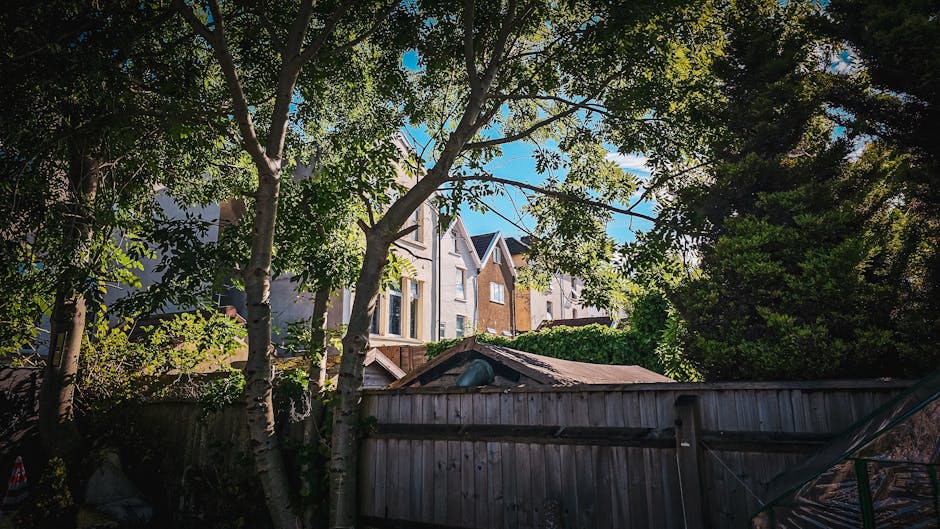
Common problems with overgrown gardens in Clapham homes
If you live in Clapham, you already know gardens can go from neat and manageable to tangled and awkward surprisingly fast. One wet month, a few busy weekends, and suddenly the lawn is hiding under long grass, hedges are spilling into paths, and the whole space feels harder to use. The common problems with overgrown gardens in Clapham homes are not just about looks either. They can affect safety, privacy, drainage, access, pest activity, and even how much you actually enjoy your own outdoor space.
This guide walks through what overgrowth really means in a London garden, why it becomes such a headache in Clapham, and what sensible steps help bring things back under control. You will also find a practical checklist, common mistakes to avoid, and a realistic view of when a full clear-up makes more sense than trying to chip away at it yourself. Let's face it, once a garden has gotten away from you, a clear plan beats wishful thinking every time.
Why it matters
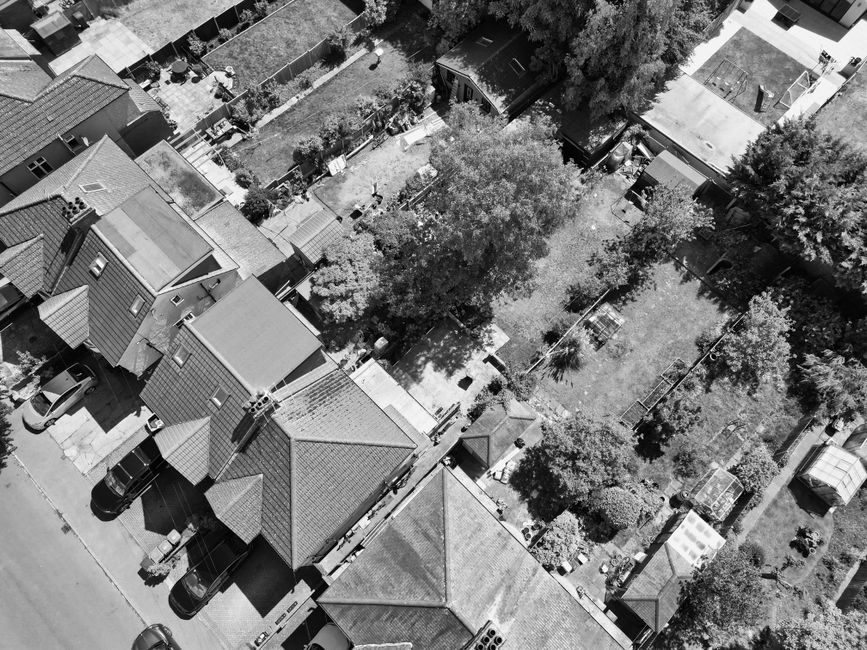
Overgrown gardens are easy to put off because they rarely start with one dramatic problem. Usually it is a gradual build-up: a hedge that needs trimming, a lawn that has gone patchy, a few self-seeded plants taking over, then suddenly the whole garden feels heavy and hard to move through. In Clapham, where many homes have compact rear gardens, side returns, shared boundaries, or small front spaces, that build-up can be felt quickly.
The first issue is usability. A garden should work as an extension of the home, not become a place you avoid because it feels cluttered or difficult to step into. The second issue is that overgrowth tends to hide other problems. Rotten timber, broken paving, poor drainage, tired fence panels, and uneven ground are much easier to miss when plants are spilling everywhere. By the time you notice, it can be more work than expected.
There is also the matter of neighbour relations. In a dense area like Clapham, branches overhanging fences, weeds spreading through gaps, or ivy creeping into adjoining spaces can become a bit awkward. Not dramatic, usually, but awkward enough. A garden that is left too long can also create the impression that the whole property is less cared for, which matters if you are trying to rent, sell, or simply keep on top of the home.
For many homeowners, the issue is not a lack of interest in gardening. It is time. Work, children, travel, and London life in general can leave the garden at the bottom of the list. That is normal. The key is recognising when the garden has moved from needs a tidy to needs proper attention.
How overgrown gardens create problems
Overgrowth affects a garden in layers. The visible layer is the one everyone notices first: tall grass, wild borders, hedges that have lost shape, and paths partly hidden under leaves. But underneath that, other issues usually start to appear.
1. Light gets blocked. Dense planting and unchecked hedges can reduce sunlight on lawns, patios, and lower shrubs. Less light often means weaker grass, more moss, and a general feeling that the space is darker than it should be. If you have ever walked into a back garden at 4pm and thought, "Why does this feel like the evening already?", that is often part of it.
2. Moisture hangs around. Thick growth traps damp air. Wet leaves, shaded soil, and poor airflow all create conditions where fungal issues and rot are more likely. This is especially noticeable after a few rainy spells, which, to be fair, Clapham gets its share of.
3. Access becomes difficult. Narrow pathways can become blocked, bins become hard to move, and basic maintenance turns into a chore. A simple five-minute watering job can become a little expedition with a pair of secateurs.
4. Plants compete with each other. In an overgrown border, stronger or faster-growing plants often dominate weaker ones. The result is not a lush garden, but a crowded one. Roots compete for water, nutrients, and space, and the weakest parts start to fail.
5. Hidden hazards stay hidden. Broken edging, loose slabs, slippery surfaces, and unstable branches are harder to spot when the garden is packed out. That matters for children, older residents, visitors, and anyone carrying shopping, tools, or a mug of tea. One misplaced step is all it takes.
This is why overgrown gardens are not really a single issue. They are a chain reaction.
Key benefits and practical advantages
Sorting out an overgrown garden is not just about making it look respectable, though that is a nice bonus. The practical gains are often more valuable.
- Better safety: Clear paths, reduced trip hazards, and fewer concealed obstacles.
- More usable space: Even a small Clapham garden feels bigger once it is opened up properly.
- Healthier planting: Removing excess growth gives remaining plants room, air, and light.
- Lower pest attraction: Tidy areas are less likely to provide easy shelter for rodents and other pests.
- Easier routine care: Once the worst is removed, regular maintenance becomes much simpler and less tiring.
- Improved presentation: This helps whether you are entertaining, letting, or preparing to sell.
There is also a subtle but real mental benefit. A messy outdoor space can make the whole home feel unfinished. Clear the garden, and the house often feels lighter too. People notice that. You notice it yourself on the first calm morning when you open the back door and can actually see the end of the garden again.
If the overgrowth has gone beyond a quick tidy, a structured approach like garden clearance or ongoing garden maintenance can be the difference between a one-off rescue and a repeat problem.
Who this is for and when it makes sense
This topic is relevant to several types of Clapham homeowners, not just people with neglected gardens.
- Busy owners: If your schedule leaves little room for pruning, mowing, or weeding, overgrowth can appear quickly.
- New homeowners: A new house often comes with a garden that has been left to previous habits.
- Landlords and letting agents: Outdoor presentation can affect viewings and tenant satisfaction.
- Families: Overgrown spaces can be harder to supervise, especially where children play.
- Older residents: What used to be a manageable weekend task can become physically difficult.
It also makes sense for people who are planning a sale, a refurbishment, a new patio, or a more ambitious redesign. In those cases, dealing with the overgrowth first helps you see the space properly. Hard to design around a jungle, after all.
Sometimes the right move is simple maintenance, and sometimes it is a full reset. If the garden has become choked, you may need a combination of hedge cutting, lawn recovery, and broader landscaping decisions rather than a single tidy-up.
Step-by-step guidance
When a garden has been left too long, the smartest approach is to avoid doing everything at once without a plan. That is how people tire themselves out halfway through and then leave the rest for another month. Not ideal.
- Walk the garden first. Look for hidden hazards, blocked routes, broken fencing, dead growth, and areas that are too wet or too shaded.
- Start with access points. Clear paths, gates, side returns, and doorways before tackling the middle of the garden. This makes the space feel more manageable straight away.
- Deal with the biggest plants first. Hedges, large shrubs, self-seeded saplings, and climbing growth usually block light and movement the most.
- Mow or strim the lawn carefully. Very long grass may need gradual cutting rather than one heavy pass. For a very rough lawn, a dedicated lawn mowing service can help prevent damage to the grass and equipment.
- Cut back encroaching growth along boundaries. This is where disputes, damage, and awkward neighbour conversations often start.
- Remove debris as you go. Piles of cuttings can hide pests and make the job feel bigger than it is.
- Assess what should stay. Some plants only look wild because they have outgrown the space; others genuinely need removal or reshaping.
- Set a maintenance rhythm. A little, often, beats a heroic clean-up every year or two.
If the garden contains heavy pruning, thick hedge lines, or mature woody growth, a specialist service such as hedge trimming or tree lopping and removal may be the sensible next step. Truth be told, some jobs are best left to people who do them every week.
Expert tips for better results
Here are the little things that often make the biggest difference.
Work from the outside in
It is tempting to start in the most dramatic centre point, but edges and boundaries often give the fastest visual improvement. Once those are clear, the garden stops feeling as chaotic.
Do not strip everything bare
When a garden is wildly overgrown, it can be tempting to remove almost all structure. That can create a short-term sense of neatness, but it can also leave the space looking flat and exposed. Keep any healthy structure that still serves the garden.
Use the season wisely
Late spring and summer growth can make gardens feel like they are actively fighting back. In cooler months, cutting back is easier, but wet conditions can make surfaces slippery. Pick the moment that suits the job, not just your diary.
Look at the shape, not just the mess
A good tidy is not only about removal. It is about restoring lines, flow, and proportion. A hedge that has been flattened into a block will still look off. A border cut to one level can feel blunt. Small shaping decisions matter.
Plan for the next six weeks, not just today
It is easy to make a garden look good for a day. The real goal is keeping it manageable for the next stretch of weather and life. That usually means regular trimming, quick weeding, and light lawn care rather than another full rescue later.
For homeowners who want a broader improvement beyond trimming, a combined approach with landscape gardening or landscaping can help rebalance a space that has become awkward or overfilled.
Common mistakes to avoid
Overgrown gardens invite rushed decisions. The wrong one can create more mess, not less.
- Cutting too much too quickly: Severe pruning at the wrong time can stress plants and make the garden look patchy.
- Ignoring the roots: Pulling tops off weeds without addressing the root system usually leads to repeat growth.
- Leaving cuttings on the ground: This blocks light, holds moisture, and makes the space untidy again almost immediately.
- Forgetting drainage: If water already sits in the garden, clearing growth alone will not fix the underlying issue.
- Working without proper tools: A blunt tool can turn a straightforward task into a miserable one. And nobody wants that on a Saturday morning.
- Overlooking neighbouring boundaries: This is one of the easiest ways to cause friction where none was needed.
- Not planning disposal: Green waste adds up fast. A huge pile of branches in a small garden can feel like a second problem all by itself.
It is also a mistake to assume an overgrown garden only needs "a quick tidy". Sometimes it does. But if you cannot see the hard edges of the garden, if the lawn has been swallowed, or if access is difficult, a more complete services overview can help you decide what combination of work is actually appropriate.
Tools, resources and recommendations
You do not need every tool under the sun, but the right basics matter.
| Task | Useful tool or approach | Why it helps |
|---|---|---|
| Long grass | Sharp mower or strimmer | Reduces scalp damage and makes the finish more even |
| Thick hedges | Manual or powered trimmer | Restores shape and keeps boundaries under control |
| Dense shrub cut-back | Pruners, loppers, or professional help | Makes woody growth easier to manage safely |
| Heavy clearance | Green waste bags, wheelbarrow, or removal plan | Prevents piles from taking over the garden again |
| Patios and paths | Brush, scraper, and careful washing | Improves grip and reveals damage hidden by growth |
For many households, the best resource is not another gadget but a realistic schedule. A monthly check-in, a quick hedge trim when growth starts to flare, and a seasonal tidy can prevent the whole garden from slipping again. If you know you will not keep up with that, there is no shame in arranging regular help. In fact, that is often the smarter choice.
If sustainability matters to you, it is worth looking at how waste is handled after clearance. Proper sorting, recycling, and responsible disposal are part of good practice, and you can read more about that approach on the site's recycling and sustainability page. Small detail, yes, but an important one.
Law, compliance, standards, and best practice
Most garden overgrowth work is straightforward domestic maintenance, but there are still sensible standards to follow. If a garden borders a public footway, driveway access, or shared boundary, trimming should be done carefully so it does not create a hazard or obstruct access. That is just good neighbourly practice, and in some situations it can also prevent disputes.
Health and safety matter too. Sharp tools, unstable branches, hidden debris, and slippery surfaces are all common issues during clearance. A sensible provider should work with protective equipment, methodical cutting, and safe handling of waste. If you are hiring anyone to do the job, it is reasonable to ask how they approach site safety. The business should be clear about this, not vague. You can also look at a company's health and safety policy and insurance and safety information if you want added reassurance before booking.
For homeowners, the practical rule is simple: do not create risks for yourself, neighbours, or passers-by while dealing with a garden that has become too much. That means being careful with overhanging branches, waste piles, blocked pathways, and awkward ladder work. If a job feels like it is creeping beyond DIY comfort, that is a useful sign, not a failure.
If you want to understand the business side before booking, it can also help to review pricing and quotes and the company's terms and conditions. Clear expectations save a lot of back-and-forth later.
Options, methods, or comparison table
There is more than one way to handle an overgrown garden, and the best method depends on how far things have gone.
| Approach | Best for | Pros | Limits |
|---|---|---|---|
| DIY tidy-up | Light to moderate overgrowth | Low cost, flexible timing, good for small spaces | Time-consuming, physically demanding, easy to underestimate |
| Targeted task help | Specific jobs like hedges or lawn recovery | Efficient, focused, useful when one problem dominates | May not solve broader garden clutter |
| Full clearance | Severe overgrowth or long-neglected gardens | Fast reset, clears hidden issues, restores access | More disruptive, may need follow-up maintenance |
| Clearance plus redesign | Gardens needing a fresh layout | Long-term improvement, better use of space | Requires planning and a bigger budget commitment |
In many Clapham homes, the middle option is the sweet spot: clear the worst of the overgrowth, then put a maintenance pattern in place so the garden does not slide back. That said, if the garden has become a thicket, starting with garden clearance is often the most practical first step.
Case study or real-world example
Consider a typical Clapham rear garden behind a Victorian terrace. It starts as a tidy space, but after a busy year it becomes harder to maintain. The hedge along the back fence grows unevenly, the lawn is patchy and long, a few vigorous shrubs lean over the patio, and a side path has become half-hidden under weeds and fallen leaves.
The homeowner initially thinks it will take one afternoon. It never does, of course. Once the clutter is lifted, they discover two cracked paving slabs near the door, a clogged drain outlet, and a patch of lawn that had been permanently shaded by an overgrown shrub. That is the real pattern with overgrown gardens: the visible mess is often only the top layer.
After cutting back the hedge, clearing waste, reducing the shrub mass, and opening the path, the garden becomes usable again. The patio feels bigger. Light reaches the lawn. The space can be enjoyed without planning a route through it. A simple bench can be used again, instead of being buried in the corner like furniture in a storeroom.
The important lesson? Most overgrown gardens are not beyond saving. They just need the right order of work.
Practical checklist
Use this quick checklist if you are deciding what to do next.
- Can you walk through the garden without pushing past plants?
- Are paths, steps, and doorways clearly visible?
- Has the lawn grown long enough to need more than a basic mow?
- Are hedges blocking light or crossing boundaries?
- Do you have dead branches, self-seeded saplings, or thick woody growth?
- Is waste already piling up in corners?
- Have you spotted signs of damp, pests, or hidden damage?
- Would a simple tidy be enough, or do you need clearance first?
- Do you have the tools, time, and energy to finish the job safely?
- Would a regular maintenance plan prevent the same issue from returning?
If you answered "yes" to several of the first seven, you probably need more than a quick once-over. And that is fine. Better to deal with it early than keep apologising to yourself every time you look out the back door.
Get a free quote today and see how much you can save.
Conclusion
The common problems with overgrown gardens in Clapham homes usually start quietly: a little too much growth, a little too little time, and suddenly the space is harder to use, harder to maintain, and less pleasant to live with. The good news is that even a very unruly garden can usually be brought back into shape with the right order of work and a realistic plan for upkeep.
Whether you need a light tidy, a proper clearance, or a longer-term maintenance approach, the aim is the same: make the garden usable again and keep it that way. Start with access, deal with the worst growth first, and then build from there. Slow is fine. Consistent is better. A garden does not need to be perfect to feel good; it just needs to feel cared for.
If you want help understanding what level of work your garden needs, it can be useful to review the team's about us page or get in touch through the contact page. Sometimes the first step is simply having someone look at the space with a fresh pair of eyes.
Frequently Asked Questions
What are the most common problems with an overgrown garden?
The most common problems are blocked access, reduced light, hidden hazards, poor airflow, patchy lawns, neighbour boundary issues, and a garden that becomes much harder to maintain. In many cases, several of these build up at once rather than appearing separately.
Does an overgrown garden attract pests?
It can. Dense growth, piles of cuttings, damp corners, and hidden debris can create shelter for pests. It is not a guarantee, but the conditions become more inviting when the garden is left untidy for long periods.
How do I know if I need garden clearance instead of a tidy-up?
If you cannot easily move through the garden, if the lawn is overwhelmed, or if hedges and shrubs are blocking access and light, a more thorough clearance is usually the better option. A quick tidy is only enough when the overgrowth is still fairly light.
Can I fix an overgrown garden myself?
Sometimes, yes. Small to moderate overgrowth can often be tackled with a mower, pruners, and a solid waste plan. But if the space is heavily choked, unsafe, or physically demanding, it is often smarter to get help. No medals for struggling through a job that was too big from the start.
What is the best first step in an overgrown garden?
Start by clearing access points and checking for hazards. Once you can walk the space safely, you will have a much clearer idea of what needs cutting, removing, or reshaping.
Will cutting everything back hard damage the garden?
It can, depending on the plant and the season. Some shrubs and hedges tolerate hard pruning, while others do not. It is usually better to cut thoughtfully, especially with mature plants or anything close to a boundary.
How often should a Clapham garden be maintained?
That depends on size, planting style, and how much time you have. Many gardens benefit from light regular maintenance through the growing season, plus more focused seasonal cuts. A little, often, is usually easier to live with than a huge rescue job later.
What should I do with all the waste after clearance?
Green waste should be collected, sorted, and removed responsibly. If there are large volumes of branches, clippings, or mixed debris, it is better to plan disposal before the work begins so the garden does not end up with temporary piles everywhere.
Are there safety concerns with overgrown gardens?
Yes. Slippery surfaces, hidden steps, uneven paving, sharp branches, and concealed debris are all common hazards. If the garden is very overgrown, take extra care and avoid rushing, especially in wet weather or low light.
What if my garden overgrowth is affecting a neighbour's boundary?
It is best to address it early and calmly. Overhanging branches, spreading roots, or encroaching hedges can create tension if left too long. Clear communication and prompt maintenance usually prevent a small issue from becoming a bigger one.
Can overgrown gardens lower the appeal of a home?
They can. A neglected garden can make the whole property feel less cared for, even if the interior is immaculate. A clear, usable garden often improves the first impression straight away, which matters for buyers, tenants, and visitors alike.
Where should I go if I want a proper professional review of the work needed?
A good place to start is the site's services overview, which can help you understand what kind of support may fit your garden. From there, you can decide whether you need simple maintenance, clearance, or a fuller landscaping approach.
Is it worth improving the layout after clearing an overgrown garden?
Often, yes. Once the overgrowth is gone, the garden's real shape becomes visible. That is usually the best moment to decide whether the space needs new planting, better access, or a more practical layout for everyday use.
Sometimes the smartest garden decision is not the biggest one. It is the one that makes tomorrow easier, and the next week calmer too.