Gardening tips for Clapham Junction terraces and yards
If you live in a Clapham Junction terrace or manage a small yard, you already know the challenge: space is tight, sunlight can be patchy, neighbours are close by, and the garden has to work hard all year. The good news? With the right approach, even a narrow London garden can feel calm, practical, and genuinely inviting. These gardening tips for Clapham Junction terraces and yards are built around real-life constraints, not idealised pictures. You will find ideas for layout, planting, maintenance, drainage, privacy, storage, and simple fixes that make a big difference. Truth be told, a small outdoor space can be easier to improve than a big one, once you know where to start.
- Why it matters
- How it works
- Key benefits and practical advantages
- Who this is for and when it makes sense
- Step-by-step guidance
- Expert tips for better results
- Common mistakes to avoid
- Tools, resources and recommendations
- Law, compliance, standards, or best practice
- Options, methods, or comparison table
- Case study or real-world example
- Practical checklist
- Conclusion
- Frequently asked questions
Why Gardening tips for Clapham Junction terraces and yards Matters
Terraced homes and compact yards around Clapham Junction tend to face the same set of pressures. There is less room for borders, more hard paving than you would like, and gardens often sit in the shadow of buildings, fences, or tall planting from next door. Add in everyday London life-busy routines, limited storage, and the occasional runaway bin, bike, or children's toy-and maintenance can slip quickly.
That is exactly why a thoughtful garden plan matters. A small space is not just a decorative extra; it can be a place to sit with coffee on a quiet morning, dry a bit of washing, grow herbs, or simply make the back of the house feel brighter. If the garden is cluttered or overgrown, the whole property can feel tighter. If it is tidy and functional, the home tends to breathe a little easier.
In our experience, many terrace gardens are not "bad gardens" at all. They are simply unstructured gardens. Once you sort the shape, the access, the planting, and the maintenance rhythm, things improve fast. And yes, sometimes the fix is as straightforward as cutting back one stubborn shrub and reclaiming a metre of space.
Expert summary: In small Clapham Junction gardens, the best results usually come from reducing clutter, choosing compact planting, improving drainage, and keeping maintenance simple enough that you can actually keep up with it.
How Gardening tips for Clapham Junction terraces and yards Works
The basic principle is simple: make the garden feel larger, easier to use, and less demanding. That usually means working in layers. First comes structure, then planting, then finishing details. If you skip the structure and jump straight to flowers, the space often ends up looking nice for a few weeks and then begins to feel messy again. A bit harsh, maybe, but true.
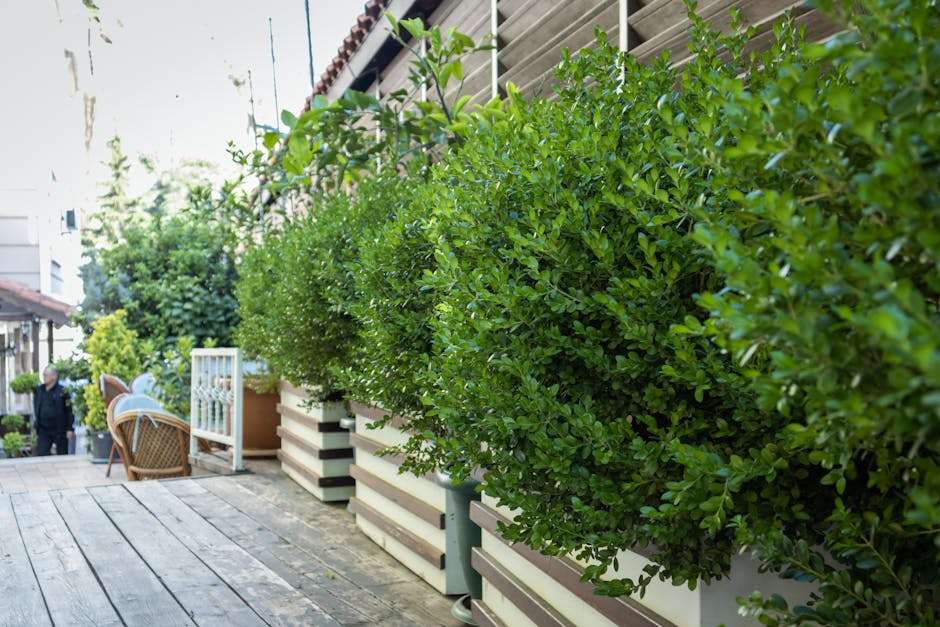
Start by looking at how you use the space. Do you want somewhere to sit? Somewhere for children or pets? A low-maintenance yard? Or a garden that can support seasonal planting without becoming high maintenance? Once that is clear, the decisions become easier. For example, a terrace garden used mainly for relaxing might benefit from raised planters and a small decked area, while a family yard may need stronger surfaces, storage, and durable planting.
Clapham Junction gardens also benefit from practical zoning. You can divide the space into simple functions: access, seating, planting, storage, and focal points. Even a very narrow yard can feel more generous if the eye is guided from one area to the next rather than seeing everything at once.
Maintenance works best when it is repeatable. A tiny garden that needs four hours every weekend is already a problem. The right method is one that matches your real life, not your best intentions after a bank holiday. That is where reliable upkeep, like garden maintenance support, can be genuinely useful if you want to keep things under control without constantly starting from scratch.
Key Benefits and Practical Advantages
A well-planned terrace or yard brings more than kerb appeal, although that matters too. The main advantage is that the garden becomes usable. You can step outside without feeling that you are confronting a jungle or a muddy patch of regret. Small space gardening, when done properly, creates order, comfort, and a little breathing room.
- More usable space: Smart layout removes dead corners and awkward clutter.
- Easier upkeep: Simple planting and tidy edges reduce the weekly workload.
- Better privacy: Screen planting, trellis, and hedging can soften nearby windows and fences.
- Improved drainage: A dry yard is easier to enjoy and less likely to become slippery or mossy.
- Better light: Lighter paving, reflective surfaces, and well-placed planting can make a shaded garden feel brighter.
- Longer seasonal interest: Layered planting gives something to look at beyond a short burst of summer colour.
There is also a wellbeing angle. A small garden that feels neat, green, and intentional can make day-to-day life feel calmer. You notice it in little ways: the sound of leaves in the evening, the smell of rosemary when you brush past it, the sense that the back of the house has become part of the home rather than a forgotten afterthought.
If the space is more chaotic than green, a proper clear-out can be the turning point. A garden clearance service is often the quickest way to reset a tired yard before you decide what stays and what goes.
Who This Is For and When It Makes Sense
These gardening tips for Clapham Junction terraces and yards are for anyone dealing with a compact outdoor space and wanting it to do more with less. That might be a homeowner with a narrow back garden, a landlord preparing a property, or a busy household that wants things tidy without constant effort.
It also makes sense if your space has one of these common issues:
- heavy shade from neighbouring buildings or fences
- patchy or compacted soil
- limited access for wheelie bins, bikes, or washing lines
- mossy paving or poor drainage
- overgrown hedges or shrubs that have swallowed the usable area
- a layout that feels awkward, narrow, or broken up
If the garden is structurally sound but simply neglected, the fix may be mostly maintenance-led. If the paving is failing, the boundaries are uneven, or the whole plot is badly laid out, then a more considered redesign may be better. That is where landscape gardening or broader landscaping can help shape the space more intelligently.
And if you are mainly trying to keep the garden neat while you focus on work, family, or letting the property, you are not alone. Most people do not want a hobby project. They want a garden that stays presentable without becoming a second job. Fair enough, really.
Step-by-Step Guidance
1. Measure the space and note the problem spots
Before you buy anything or plant a single thing, look at the garden properly. Measure the width and length, but also note the awkward bits: deep shade, soggy patches, areas that get blasted by wind, and spots where people naturally walk. In small gardens, one poorly placed planter can make movement feel cramped. One good line of sight can make the whole place seem wider.
2. Clear clutter and cut back overgrowth
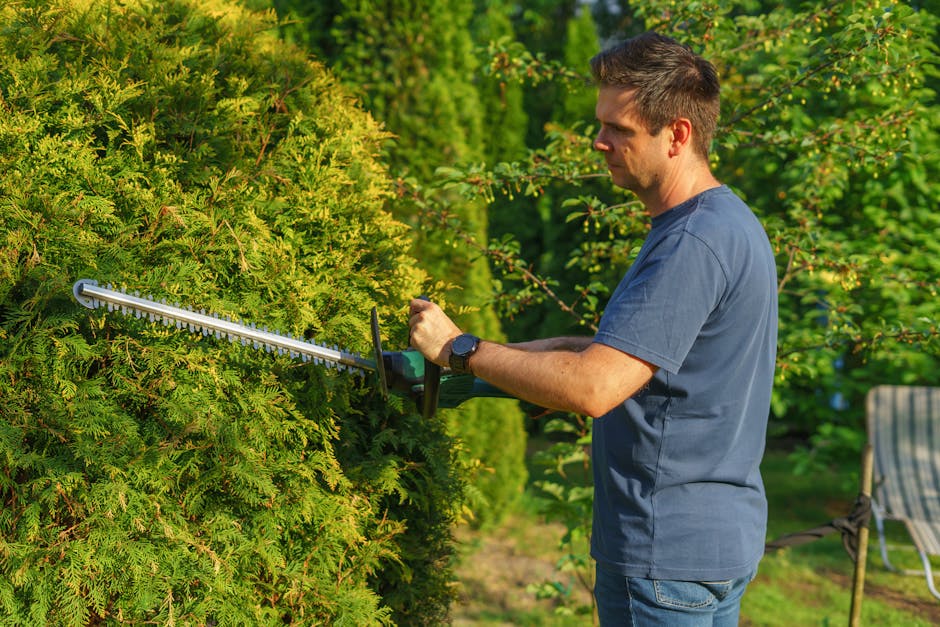
Take out anything that does not earn its place. Broken pots, dead shrubs, old timber, redundant furniture, and random bits of fencing all eat space and attention. If shrubs are getting woody or hedges are spilling over paths, trim them back hard enough to restore shape but not so hard you create bare, stressed plants. For overgrown boundaries, hedge trimming can transform the look of a terrace garden almost overnight.
3. Decide what the garden is for
Every good small garden has a purpose. Maybe it is a morning coffee spot. Maybe it is a little wildlife haven. Maybe it has to store a bike and still look nice. If you do not decide the function, the space gets filled by accident. And accidental gardens are rarely charming.
4. Build structure before planting
Use the main elements first: paths, seating, edging, planters, fencing, trellis, and any decked area. If the layout needs a more substantial refresh, you may want to explore decking services for a raised, usable surface, or even a fuller rework through services overview if several jobs need coordinating.
5. Choose plants for your actual conditions
Not every terrace garden needs the same planting scheme. Sun-loving lavender will sulk in deep shade. Delicate woodland plants will struggle in exposed, windy yards. Choose plants based on what the garden gives you, not what looks good in a catalogue. Structural evergreen plants, shade-tolerant perennials, and compact climbers often work especially well in London terraces.
6. Group plants in layers
A small space can look richer when plants are layered: taller plants near the back, medium-height plants in the middle, and lower plants or herbs toward the front. This creates depth. It also prevents the "flat fence, one pot, job done" effect that makes many yards feel unfinished.
7. Keep maintenance realistic
The final step is not glamorous, but it is the one that matters. Set a routine for watering, feeding, weeding, and cutting back. If you know you will not keep on top of mowing, for example, a tidy low-grass or paved approach may be more sensible than chasing a lawn that never quite settles. For lawns that do exist, regular lawn mowing keeps them denser and neater than occasional hard cuts.
Expert Tips for Better Results
Here are the details that often make the biggest difference, even though they are easy to overlook.
- Use larger containers than you think: Small pots dry out quickly and can look fiddly. A handful of bigger planters often looks calmer and more intentional.
- Repeat colours and materials: Repetition creates visual order, which is gold in a small garden.
- Raise planting off the ground: Vertical interest helps when floor space is limited.
- Keep a clear centre line: If you can see a path or open strip through the garden, it usually feels bigger.
- Choose one statement feature: A bench, a specimen shrub, or a simple water bowl is enough. Too many focal points, and the garden starts shouting at you.
- Think about evening use: A terrace garden can feel surprisingly different after 6pm. Subtle lighting and lighter surfaces help a lot.
One small trick we often recommend is to stand at the back door and look out for five seconds. What is the first thing you notice? If the answer is a cluttered corner or a tired bin area, that is where to start. Not the prettiest answer, but usually the right one.
If you want a more polished finish, a broader landscape gardening approach can help balance hard surfaces, planting, and circulation so the whole garden feels designed rather than patched together.
Common Mistakes to Avoid
Small gardens are wonderfully forgiving in some ways and brutally obvious in others. A few mistakes show up fast.
- Overfilling the space: Too many pots, ornaments, and planters make the garden feel smaller, not fuller.
- Choosing thirsty plants for a busy routine: If you are not around often, high-maintenance planting can turn into a sorry-looking patch.
- Ignoring drainage: A terrace yard that stays wet will quickly become slippery, weedy, or moss-covered.
- Letting hedges run wild: It sounds harmless until they begin taking over the usable area.
- Using cheap materials in high-wear areas: Paths and seating zones need to handle regular use, especially in London weather.
- Forgetting access: You still need to get bins out, clean surfaces, and move through the garden comfortably.
A common one is buying plants first and thinking about layout later. Lovely in theory. Usually a headache in practice. Another is copying a bigger garden style into a tiny yard, which can end up feeling crowded and oddly formal for no good reason.
Tools, Resources and Recommendations
You do not need a huge kit to keep a small terrace or yard in shape, but the right tools help a lot. A few reliable items usually do more than a shed full of seldom-used gadgets.
| Tool or resource | Best for | Why it helps in a small garden |
|---|---|---|
| Hand shears and secateurs | Small pruning jobs | Quick control over shrubs, climbers, and edging without dragging out larger kit |
| Compact rake and hoe | Leaf litter and weeds | Easy to store and ideal for narrow access |
| Watering can or lightweight hose | Targeted watering | Better precision in containers and raised beds |
| Quality compost and mulch | Soil improvement | Helps retain moisture and improve tired planting areas |
| Storage bench or slim box | Clutter control | Keeps small spaces tidy without taking over the whole yard |
| Professional maintenance plan | Ongoing care | Useful when the garden needs regular attention but not a full redesign |
For a neat finish, many homeowners prefer to combine routine care with occasional specialist help. That can include trimming, clearance, mowing, or design-led upgrades. If you are weighing up the cost of doing things yourself versus bringing in support, the pricing and quotes page is a sensible place to start planning.
If sustainability matters to you, it is also worth thinking about how garden waste is handled and what materials you bring in. The recycling and sustainability approach can make a real difference, especially if you are clearing a lot of old growth or replacing tired materials.
Law, Compliance, Standards, or Best Practice
For most domestic terrace and yard work, the main concern is not complex regulation; it is safe, sensible practice. That said, there are a few important points to keep in mind. If trees are large, close to boundaries, or affecting structures, it is wise to seek qualified help rather than treating it as an easy DIY weekend job. Likewise, if a garden project involves heavy lifting, awkward access, or powered equipment, safety should come first.
Good contractors should be able to explain how they manage risk, handle waste, and protect property during work. You should also expect clear terms, fair communication, and proper care around boundaries, paving, and neighbouring gardens. If you are comparing providers, it helps to understand how they approach insurance and safety and whether they follow a clear health and safety policy.
For larger tree work or anything involving significant height, overhang, or removal, professional input is usually the sensible route. A service like tree lopping and removal is not just about appearance; it is about avoiding damage, protecting access, and reducing unnecessary risk. In a dense area like Clapham Junction, that matters more than people sometimes realise.
Best practice also means respecting boundaries, keeping shared areas clear, and avoiding work that could create nuisance for neighbours. London gardens are close together. Everyone hears the saw, the rake, and the wheelbarrow. Best to keep it tidy and considerate.
Options, Methods, or Comparison Table
There is no single right way to improve a terrace garden. It depends on your budget, the condition of the space, and how much time you want to spend afterwards keeping it neat. The table below gives a practical comparison.
| Approach | Best for | Pros | Trade-offs |
|---|---|---|---|
| Simple tidy-up | Gardens that are mostly functional already | Quick, affordable, and easy to maintain | Won't solve poor layout or drainage |
| Ongoing maintenance plan | Busy households and landlords | Prevents build-up and keeps standards steady | Less transformative if the space is badly designed |
| Partial redesign | Gardens with awkward shape or tired surfaces | Improves use, flow, and presentation | Needs more planning and usually more budget |
| Full landscaping project | Severely dated or unusable yards | Best chance to reset the whole space | Longer timeline and higher cost |
If your garden just needs a reset, start with maintenance and clearance. If it feels fundamentally wrong, the investment may be better spent on rethinking structure and materials. For many clients, a mix works best: clear the space, fix the worst parts, then add planting and finishing touches. Simple enough on paper. Slightly messier in real life, as gardens tend to be.
Case Study or Real-World Example
A typical Clapham Junction terrace yard might be around the back of a narrow Victorian property. It starts with uneven paving, a tangled shrub bed, a couple of pots that have long since stopped being decorative, and a fence line that has become a bit of a green wall. The owner wants something usable, but not fussy.
The first step would be a clear-out. Remove the dead material, cut back the hedge, lift broken pots, and check whether the existing paving is safe and worth keeping. Next, define a simple layout: a small seating area near the house, a central strip for access, and a shallow planting zone along one boundary. Then the planting choices matter. A handful of evergreen structure plants, a few pollinator-friendly perennials, and perhaps herbs near the door create interest without overwhelming the space.
Once the framework is in place, maintenance becomes manageable. The garden no longer asks for everything at once. It just needs regular attention. That is the sweet spot, really. Not perfection. Just a garden you can live with, and enjoy a bit.
We have seen similar spaces turn from "avoid looking at it" to "actually, this is nice now" with surprisingly modest changes. Not dramatic, not magic. Just careful decisions made in the right order.
Practical Checklist
Use this checklist if you are planning to improve a terrace or yard in Clapham Junction.
- Measure the garden and note shaded, wet, and high-traffic areas.
- Remove clutter, dead growth, and anything no longer useful.
- Decide the main purpose of the space.
- Check drainage and surface condition.
- Choose a layout that keeps access clear.
- Use a small number of strong materials or colours.
- Select plants that match the light, wind, and upkeep level.
- Trim hedges and shrubs before they start swallowing space.
- Keep storage slim, tidy, and weatherproof.
- Plan a maintenance routine you can realistically follow.
- Bring in professional help for heavy clearance, bigger redesigns, or risky tree work.
Quick win: If you can only do one thing this weekend, clear the edges. Once the borders are clean, the whole garden feels more manageable almost immediately.
Conclusion
Gardening tips for Clapham Junction terraces and yards are really about making small spaces work harder without making them harder to live with. That means choosing a simple structure, planting with purpose, and keeping maintenance realistic. It also means accepting that a good garden does not have to be packed with features. Often, less is better. A clear layout, a few healthy plants, and a tidy finish can completely change how the back of a house feels.
If your space needs a reset, start with the obvious jobs first: cut back, clear out, and define what you want the garden to do. After that, the rest tends to fall into place. And if you want help with the heavy lifting or a more polished finish, you can explore about us, review the available services overview, or learn more about ongoing garden maintenance to see what suits your space.
Get a free quote today and see how much you can save.
In the end, the best terrace garden is not the fanciest one. It is the one you actually use, notice, and quietly feel pleased by on an ordinary Tuesday evening.
Frequently Asked Questions
What are the best gardening tips for Clapham Junction terraces and yards?
The best tips are to keep the layout simple, choose plants that suit the light level, improve drainage where needed, and reduce clutter so the space feels usable. Small gardens reward restraint.
How do I make a small terrace garden look bigger?
Use fewer but larger containers, keep a clear line through the space, repeat materials or colours, and avoid overfilling the garden with furniture or ornaments. A tidy visual flow helps more than people expect.
What plants work well in shaded London yards?
Shaded yards often suit evergreen structure plants, shade-tolerant perennials, ferns, and some climbers. The exact choice depends on how much indirect light the garden gets during the day.
How often should I mow a small lawn?
That depends on the season and growth rate, but regular cutting is usually better than infrequent hard mowing. If the lawn is tiny or awkward, consider whether a low-maintenance alternative would be easier to live with.
Is decking a good idea for Clapham Junction terrace gardens?
It can be, especially where the ground is uneven or you want a clean seating area. Decking works best when it is part of a broader plan, not just a quick cover-up for a tired yard.
What should I do with an overgrown yard before planting?
Start with clearance. Remove dead material, cut back overgrowth, and check the condition of the soil and surfaces before you buy new plants. Planting into chaos usually just hides the chaos for a while.
Can I manage a terrace garden myself, or do I need help?
If the space is small and mostly tidy already, DIY care may be enough. If you are facing heavy clearance, large shrubs, poor layout, or recurring maintenance issues, a professional service can save time and prevent mistakes.
What is the biggest mistake people make with small yards?
Overcrowding. Too many pots, too many plant types, and too much furniture can make a compact garden feel cramped. Simplicity usually wins.
How do I deal with poor drainage in a yard?
First, identify where water collects and whether the surface falls correctly. Sometimes the answer is improving the surface or reducing compacted soil; sometimes a fuller landscaping solution is needed.
Do I need permission for garden work in a terrace house?
Most routine gardening does not require permission, but larger structural changes, boundary issues, or significant tree work may need more careful checking. If in doubt, keep the work conservative and get proper advice before changing anything major.
How can I keep a low-maintenance garden looking tidy?
Use evergreen structure, mulch planting beds, reduce lawn area if it is hard to maintain, and choose surfaces and containers that are easy to clean. Low-maintenance does not mean no maintenance, but it can be pleasantly manageable.
Where should I start if my garden feels completely unusable?
Start with clearance and a basic assessment of the space. Once the clutter is out, it becomes much easier to see whether you need trimming, mowing, landscaping, or a simple maintenance plan.